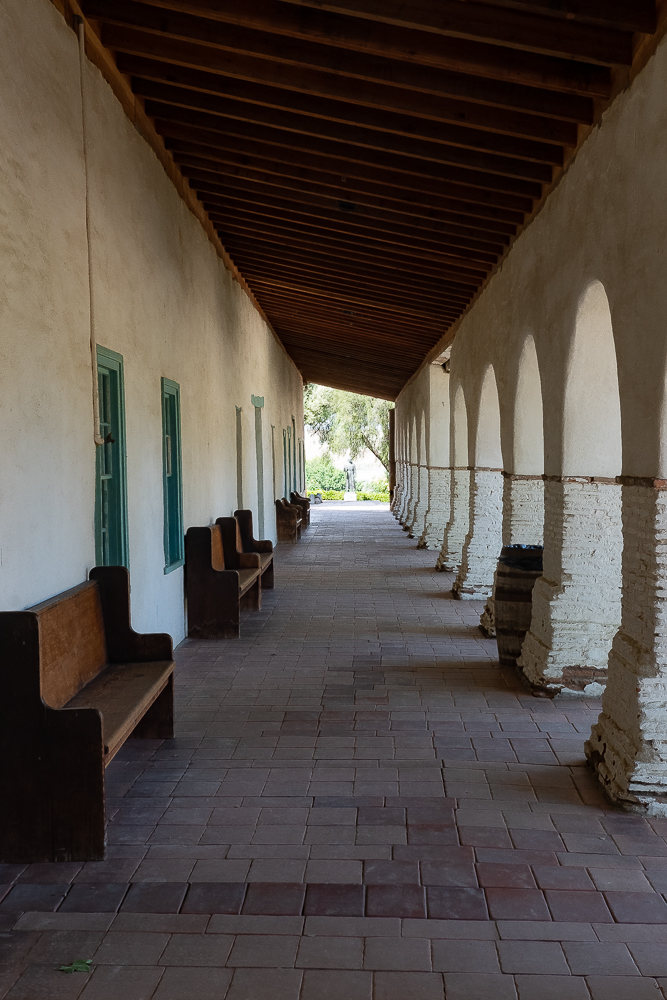
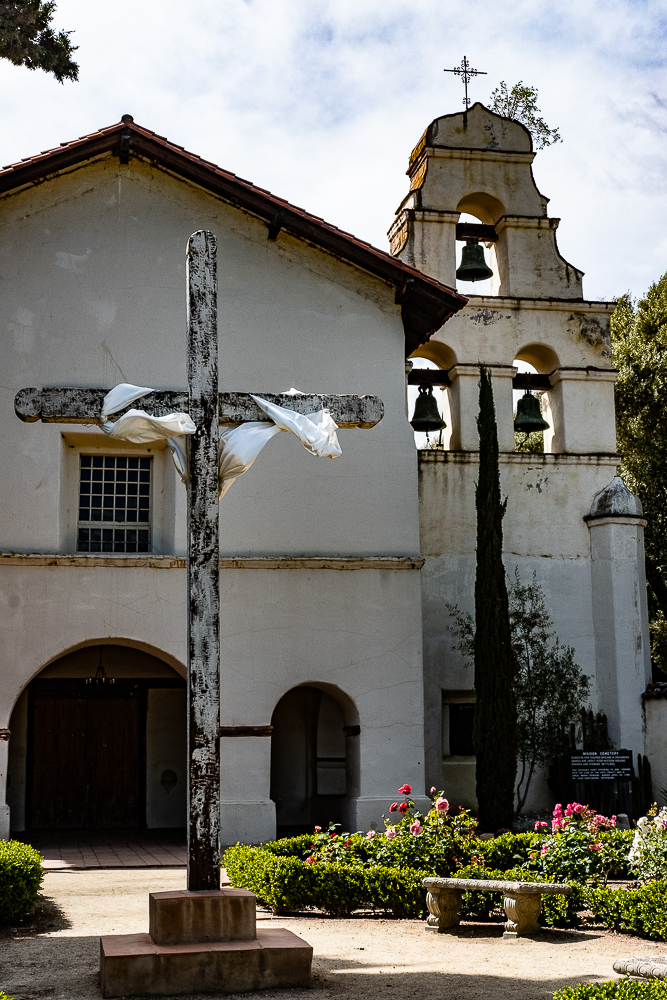
Founded on June 24, 1797, the San Juan Bautista mission is the fifteenth of twenty one missions that follow the route of the Camino Real from San Diego to Sonoma. It is the largest of the missions and has never been abandoned. It is now the parish church for the town of San Juan Bautista. Four presidios were established along the same route by the Spanish military.
The missions and presidios were part of the Spanish expansion, colonization, that stretched north from Mexico City into what are now the states of California, Arizona, New Mexico and Texas.
I grew up in Mexico and these missions, with their churches and surrounding area often remind me of home. As a photographer I find the design of the structures visually inspiring. Yet whenever I visit these missions I invariably experience moments of deep sadness and mourning as I am reminded or the harm inflicted on the Native People by the Spanish military and religious colonization, along with the ensuing genocide that occurred under US sovereignty. Thousands died from diseases brought in by the Spaniards. They lost their land and their way of life was destroyed. Children were separated from their families (sound familiar?). It is unclear to me what, if any, reparations have been made to Native Tribes in California or other states.
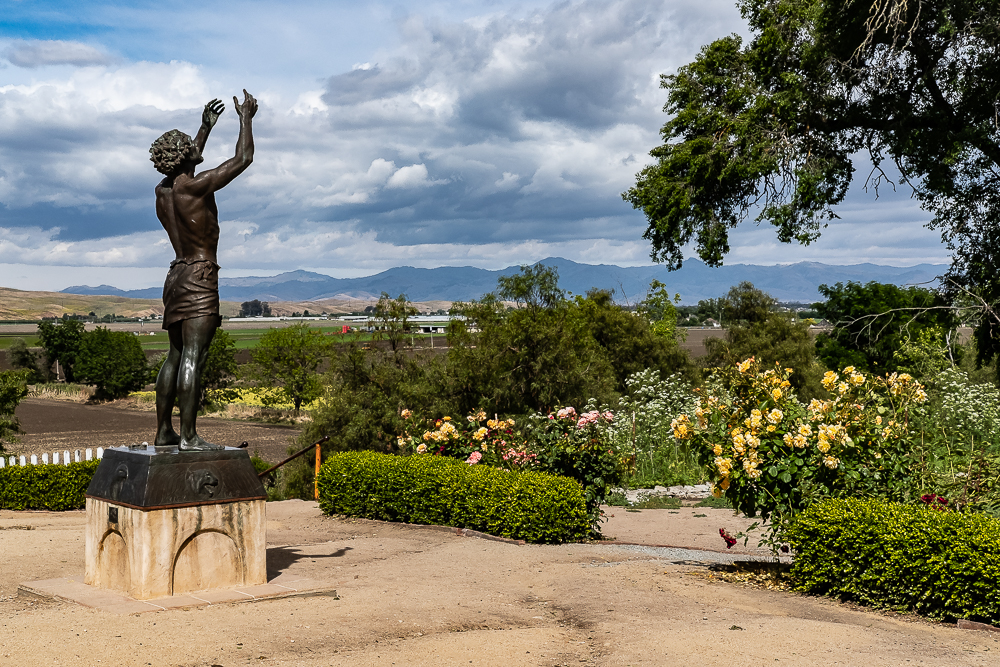
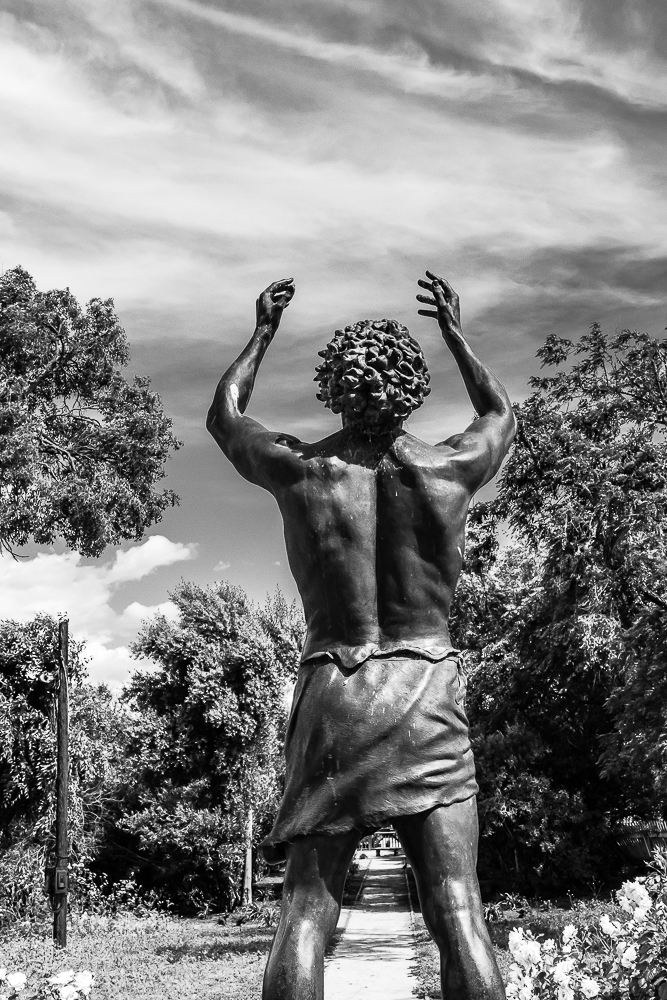
When I first saw the seemingly larger than life sculpture of San Juan Bautista (Saint John the Baptist) I didn’t know that it represented him. The interpretation I made was of a man pleading to the heavens for mercy. I still experience it this way.
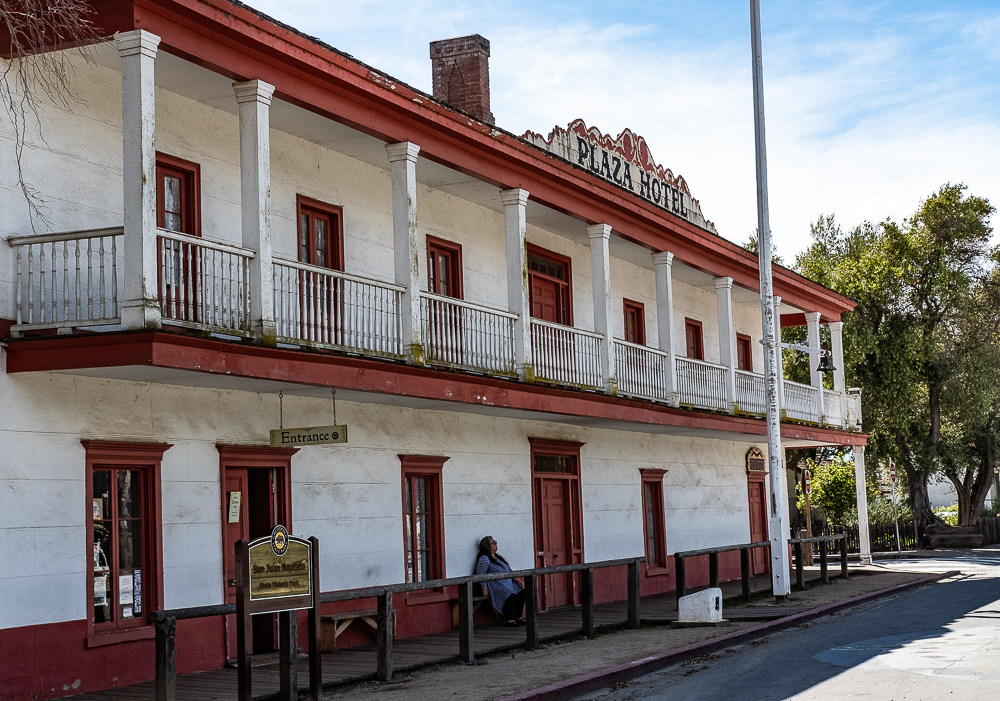
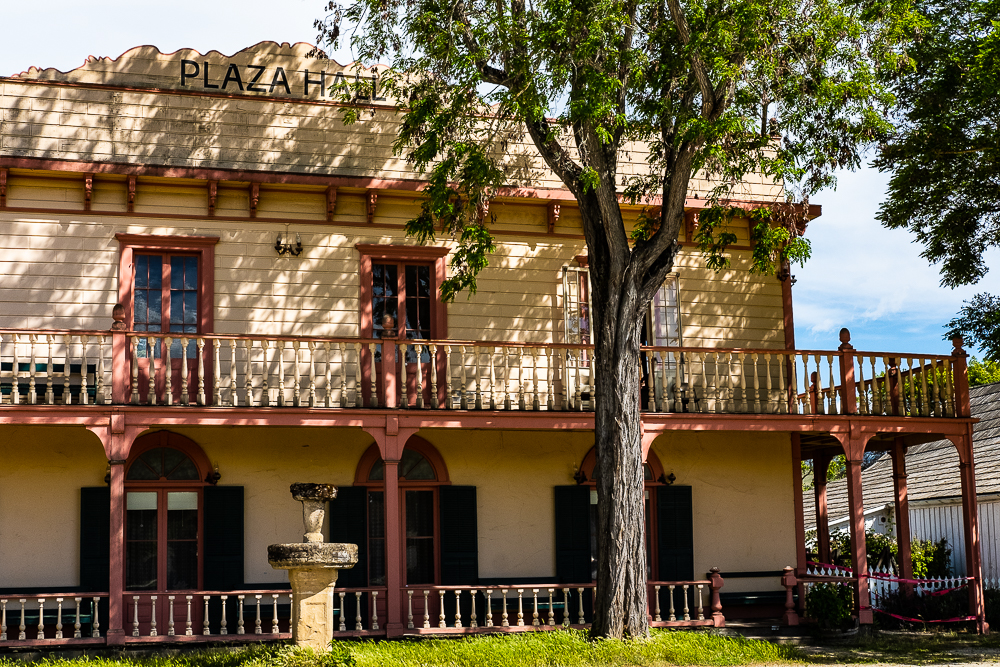
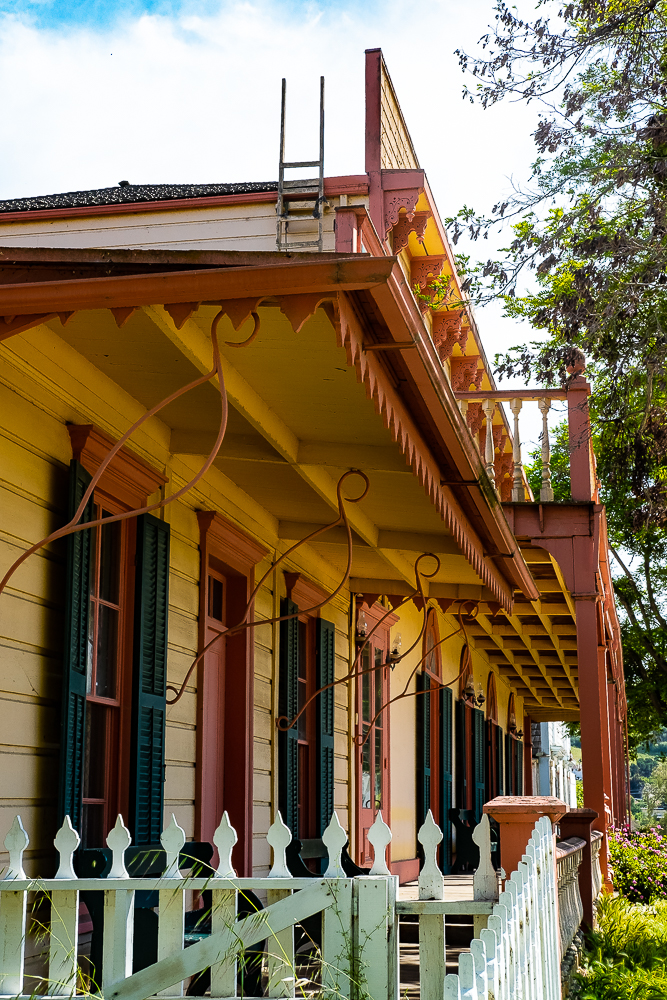
Originally the Plaza Hall was a dormitory for Indian girls who were separated from their families.
https://www.kcet.org/shows/tending-the-wild/untold-history-the-survival-of-californias-indians
https://en.wikipedia.org/wiki/Spanish_missions_in_California
http://californiamissionsfoundation.org/the-california-missions/





clicking on an image opens it in a separate tab


Leave a comment